Best Ramen in Tokyo by Area: A Local’s Guide (2026)
Last updated: May 2026
Affiliate disclosure: This guide contains affiliate links. If you book through them, we may earn a small commission at no extra cost to you. We only recommend services we’d use ourselves.
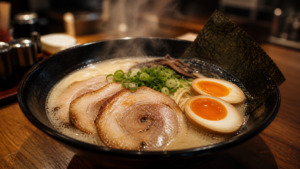
Tokyo is, without question, the ramen capital of the world. With over 10,000 ramen shops crammed into this sprawling metropolis, every neighborhood has its own legends — tiny six-seat counters where the broth has been simmering since your parents were born, and trendy newcomers pushing the boundaries of what a bowl of noodles can be. The beauty of Tokyo ramen is that each area has its own personality, and hopping between neighborhoods for bowls is one of the best ways to experience the city. This guide breaks it all down by area so you can plan your ramen crawl like a pro.
→ Skip the line and eat with a local: book a Tokyo ramen tour on Klook — small-group walks through legendary shops with a guide who orders for you in Japanese.
Ramen Styles Quick Guide
Before you dive in, here’s what you need to know about the major styles:
– Shoyu (Soy Sauce) — A clear, savory broth with a deep umami backbone; the classic Tokyo style.
– Shio (Salt) — The lightest and most delicate broth, letting the quality of the stock shine through.
– Miso — Rich, hearty, and slightly sweet; originally from Hokkaido and perfect for cold days.
– Tonkotsu (Pork Bone) — Creamy, milky-white broth made by boiling pork bones for hours; a Kyushu specialty that’s everywhere in Tokyo.
– Tsukemen (Dipping Noodles) — Thick noodles served cold alongside a concentrated dipping broth; invented in Tokyo and massively popular.
Best Ramen by Area
Shinjuku
Shinjuku is ramen ground zero. The sheer density of shops around the station means you’re never more than a two-minute walk from something excellent.
Fuunji — The tsukemen king of Shinjuku. The rich fish-and-pork dipping broth is intense and addictive. Order the tokumori (extra large) because you will regret not doing so. Price: ~1,100 JPY. Wait: 20-40 min at peak hours. Must order: Tsukemen with extra noodles.
Nagi Golden Gai — Tucked inside the famous Golden Gai bar district, this tiny shop serves a bold niboshi (dried sardine) broth that’s smoky, funky, and unforgettable. Price: ~1,050 JPY. Wait: 15-30 min. Must order: Niboshi Ramen with extra chashu.
Ramen Bankara — Late-night tonkotsu done right. The kakuni bankara comes with a massive slab of braised pork belly floating in thick, garlicky broth. Perfect after drinks. Price: ~1,150 JPY. Wait: 5-15 min. Must order: Kakuni Bankara Ramen.
Mantaro — A local favorite that doesn’t make most tourist lists. Stellar shoyu ramen with a clean chicken-and-seafood broth. Price: ~950 JPY. Wait: 10-20 min. Must order: Tokusei Shoyu Ramen.
Kikanbou — Not for the faint of heart. This shop specializes in karashibi ramen — a mala-spiced, tongue-numbing bowl with Sichuan peppercorn heat. You choose your spice and numbness levels separately. Price: ~1,100 JPY. Wait: 15-30 min. Must order: Karashibi Miso Ramen (level 3 spice, level 2 numb for first-timers).
Tatsunoya — A Kyushu-style tonkotsu specialist that earned a Michelin Bib Gourmand. Silky broth, thin noodles, and a refined approach to a traditionally rustic style. Price: ~1,000 JPY. Wait: 10-25 min. Must order: Tonkotsu Ramen with ajitama (seasoned egg).
Want a guide to do the queueing for you? Browse Shinjuku food and ramen tours on Klook → — most include 3-4 stops, drinks, and English-speaking guides.
Shibuya
Shibuya’s ramen scene skews a bit more modern and accessible, making it a great starting point for first-timers.
Afuri — Famous for its yuzu shio ramen, a light, citrusy bowl that feels almost healthy. The open, stylish interior is a welcome change from cramped ramen counters. Price: ~1,130 JPY. Wait: 10-20 min. Must order: Yuzu Shio Ramen with ajitama.
Ichiran — Yes, it’s a chain. Yes, it’s touristy. But the individual booth system and fully customizable tonkotsu bowl make it the perfect solo-dining ramen experience, especially if it’s your first time. Price: ~1,190 JPY. Wait: 10-30 min. Must order: Classic tonkotsu, firm noodles, extra garlic, extra spicy red sauce.
Hayashi — Shoyu ramen with a gorgeous, clear chicken broth that tastes like it took three days to make (because it did). Small shop, big flavors. Price: ~1,000 JPY. Wait: 15-25 min. Must order: Tokusei Chuukasoba.
Ramen Nagi Shibuya — The Shibuya branch of the Golden Gai legend. Same punchy niboshi broth, slightly less chaotic atmosphere. Price: ~1,050 JPY. Wait: 10-20 min. Must order: Niboshi King.
Kohmen — A hidden gem near Shibuya Station serving rich miso ramen with a thick, almost curry-like broth. Regulars swear by the butter corn topping. Price: ~1,050 JPY. Wait: 5-15 min. Must order: Miso Ramen with butter and corn.
Kikanbo Shibuya — The Shibuya outpost of the Shinjuku spice legend. Same face-melting karashibi experience. Price: ~1,100 JPY. Wait: 10-20 min. Must order: Karashibi Ramen.
Pairing Shibuya ramen with sightseeing? See Shibuya walking tours and experiences on Klook → — Scramble Crossing, Shibuya Sky tickets, and themed food walks.
Best Tokyo Food Tours (Recommended for First-Timers)
Doing a ramen crawl on your own is fun, but a guided food tour cuts the language barrier, the menu-reading, and the “is this line worth it?” anxiety. These are the highest-rated Tokyo food experiences on Klook — each one includes ramen or noodles plus a few other stops:
– Tokyo Food Tours (all areas) — Compare 30+ options including Shinjuku, Shibuya, and Asakusa walks.
– Tsukiji Outer Market Food Tour — Sashimi, tamago, and a ramen finisher near the old fish market.
– Shinjuku Bar & Ramen Hopping — Golden Gai izakayas plus a late-night ramen stop.
– Asakusa Old-Tokyo Food Walk — Traditional shoyu ramen plus street snacks around Senso-ji.
– Make-Your-Own Ramen Class — Hands-on noodle making with a Japanese chef. Great rainy-day option.
Ikebukuro
Ikebukuro is an underrated ramen powerhouse, especially along the west side of the station.
Mutekiya — An Ikebukuro institution. The tonkotsu-shoyu blend is rich without being heavy, and the toppings are generous. There’s almost always a line, but it moves fast. Price: ~1,100 JPY. Wait: 20-40 min. Must order: Ramen with all toppings (zenbu nose).
Ramen Jiro Ikebukuro — Jiro is not just ramen; it’s a lifestyle. Enormous portions of thick, chewy noodles drowning in heavy pork-fat broth, topped with a mountain of bean sprouts, garlic, and back fat. Come hungry. Very hungry. Price: ~850 JPY. Wait: 20-50 min. Must order: Shouniku (small with extra pork). Call “yasai mashi, ninniku, abura” for extra veggies, garlic, and fat.
Misoya — Specialist miso shop with options from different regions of Japan. The Hokkaido miso is the crowd favorite. Price: ~1,000 JPY. Wait: 5-15 min. Must order: Hokkaido Miso Ramen with extra chashu.
Fuunji Ikebukuro — A branch of the Shinjuku tsukemen legend. Same incredible dipping broth, same long lines. Price: ~1,100 JPY. Wait: 15-30 min. Must order: Tsukemen tokumori.
Oreshiki Jun — A newer shop doing creative takes on classic styles. The truffle shoyu ramen is indulgent and Instagrammable. Price: ~1,200 JPY. Wait: 10-20 min. Must order: Truffle Shoyu Ramen.
Karashibi Kikanbo Ikebukuro — Yes, they’re expanding — and for good reason. Price: ~1,100 JPY. Wait: 10-20 min. Must order: You know the drill.
Staying in Ikebukuro? Check Ikebukuro hotel deals on Trip.com → — most are walking distance from Mutekiya and the Jiro flagship.
Asakusa & Ueno Area
The old-school east side of Tokyo serves ramen with history. Many shops here have been around for decades.
Ramen Yoroiya — A neighborhood classic near Asakusa serving clean, traditional shoyu ramen. No gimmicks, just perfectly executed basics. Price: ~900 JPY. Wait: 5-15 min. Must order: Chuukasoba with wonton.
Asakusa Kaikarou — Known for its tantanmen (sesame-chili ramen) that balances heat with nutty richness. Price: ~1,050 JPY. Wait: 5-15 min. Must order: Tantanmen with extra sesame.
Rokurinsha Ueno — A branch of the tsukemen pioneer from Tokyo Station. Thick, seafood-heavy dipping broth with bouncy noodles. Price: ~1,100 JPY. Wait: 10-25 min. Must order: Tsukemen with ajitama.
Ippudo Asakusa — The Hakata tonkotsu giant has a beautiful Asakusa location. Reliable, creamy, and beginner-friendly. Price: ~1,100 JPY. Wait: 5-15 min. Must order: Shiromaru Motoaji (classic white).
Tomita Ueno — Rich, thick tsukemen with a cult following. The broth is so concentrated it’s almost a sauce. Price: ~1,100 JPY. Wait: 15-30 min. Must order: Tsukemen with chashu.
Ramen Muginae — A hidden gem near Ueno Park doing a lighter, chicken-based shoyu that pairs perfectly with a day of museum-hopping. Price: ~950 JPY. Wait: 5-10 min. Must order: Tori Shoyu Ramen.
Combine ramen with old-Tokyo sightseeing. See Asakusa & Ueno tours on Klook → — kimono rental, Senso-ji walks, and rickshaw experiences pair perfectly with a noodle stop.
Tokyo Station (Ramen Street)
Tokyo Ramen Street is located in the basement of Tokyo Station (Yaesu side, First Avenue). Eight curated shops in one corridor — it’s a tourist attraction, but the quality is genuinely excellent.
Rokurinsha — The anchor tenant and the reason most people visit. Their tsukemen features a thick, rich fish-pork broth and perfectly chewy noodles. The line is always the longest here. Price: ~1,100 JPY. Wait: 30-60+ min. Must order: Tsukemen with ajitama.
Soranoiro — The health-conscious option, famous for its vegan and veggie-friendly ramen. The soy milk-based bowl is surprisingly satisfying. Price: ~1,100 JPY. Wait: 10-20 min. Must order: Vegan Veggie Soba.
Hototogisu — Triple-soup ramen blending clam, chicken, and pork. Delicate, refined, and totally unique. Price: ~1,150 JPY. Wait: 15-25 min. Must order: Hamaguri (Clam) Ramen.
Ikaruga — Chicken and seafood blend with a lighter touch. Price: ~1,050 JPY. Wait: 10-20 min. Must order: Tori Soba.
Chuka Soba Tomita — The tsukemen master from Matsudo. Rich, aggressive dipping broth that slaps. Price: ~1,150 JPY. Wait: 20-40 min. Must order: Tokumori Tsukemen.
Junk Garage — Thick, Jiro-inspired noodles on Ramen Street. A bold choice among the refined options. Price: ~1,000 JPY. Wait: 10-20 min. Must order: Mazemen (brothless noodles).
Coming in on the Shinkansen? Compare JR Pass options on Klook → — Tokyo Station is the gateway, so timing your Ramen Street visit around your train day is a smart move.
Ramen Ordering Guide: The Ticket Machine
Most ramen shops in Tokyo use a kenbaiki (ticket vending machine) at the entrance. Here’s how it works:
- Find the machine — It’s usually right inside the door, before you sit down.
- Insert money first — Bills and coins. Most machines don’t take cards (though this is slowly changing). Have at least 1,500 JPY in cash ready.
- Press the button for your ramen. The top-left button is almost always the shop’s signature bowl. Buttons are sometimes Japanese-only — look for photos, or just hit top-left with confidence.
- Add toppings — Extra egg (ajitama/味玉, ~150 JPY), extra chashu (~200-300 JPY), and extra noodles (kaedama/替え玉, ~150 JPY) usually have separate buttons.
- Take your ticket(s) and change, then hand them to the staff when you sit down.
Pro tip: If the machine is confusing, just point at what the person next to you is eating. Nobody will judge you — it happens all the time.
Tips for the Best Ramen Experience
Best times to go: Aim for off-peak hours — 11:00 AM (right at opening) or 2:00-4:00 PM for the shortest waits. Lunch rush (12:00-1:30 PM) and late night (after 10:00 PM on weekends) are the worst. Some popular shops sell out by early afternoon, so going early is always the safest bet.
How to customize your bowl: Most shops let you specify noodle firmness (katame = firm, futsu = normal, yawarakame = soft), broth richness (kotteri = rich, assari = light), and garlic level. At Ichiran, you get a paper form. At Jiro, you call out your preferences when your bowl is ready. At most other shops, the staff will ask, or you can just say “omakase” (chef’s choice) and trust the process.
Etiquette: Slurp your noodles — loudly. It’s not rude; it’s expected, and it actually aerates the broth for better flavor. Eat quickly. Ramen is not a lingering meal. Most people are done in 10-15 minutes. Don’t talk on your phone at the counter. And if there’s a line behind you, don’t linger after finishing.
Kaedama strategy: If you’re at a tonkotsu shop and the broth is still going strong but the noodles are gone, order kaedama (noodle refill, ~150 JPY). Hand the staff your kaedama ticket or just say “kaedama onegaishimasu.”
FAQ
Is ramen in Tokyo expensive?
Not at all. A quality bowl runs 900-1,200 JPY (about $6-8 USD at current exchange rates). It’s one of the best food values in the city.
Do ramen shops take credit cards?
Most small shops are cash-only. Chains like Ichiran and Ippudo increasingly accept IC cards (Suica/Pasmo) and some credit cards, but always carry cash as backup.
Are there vegetarian or vegan options?
They exist but are rare. Soranoiro (Tokyo Station) and Afuri (shio vegan option) are your best bets. T’s TanTan in Tokyo Station is fully vegan and excellent. Most traditional shops use pork or chicken in everything, including the tare (seasoning base).
How long should I wait in line?
Anything under 30 minutes is normal and worth it. Over 45 minutes — only for bucket-list shops like Fuunji or Rokurinsha. Skip any line over an hour unless you’re truly dedicated.
What’s the difference between ramen and tsukemen?
Ramen is noodles in hot broth. Tsukemen is cold (or room temp) noodles served alongside a concentrated dipping broth. You dip, eat, and at the end, ask for soup-wari (broth to dilute the remaining dipping sauce into a drinkable soup).
Can I do a ramen crawl in one day?
Absolutely. Hit three to four shops across different areas. Start with a light shio bowl (Afuri), move to something medium (Fuunji tsukemen — get the small), and finish with a rich tonkotsu (Mutekiya). Space them about three hours apart and walk between areas to build up your appetite. Or let a Klook guide plan it for you →.
Plan the Rest of Your Tokyo Trip
A ramen crawl is more fun when the rest of your trip is locked in. Here’s how to round out the day:
– Tours & experiences: Tokyo food tours on Klook → and Japan food experiences on GetYourGuide →
– Hotels near ramen districts: Compare Tokyo hotels on Trip.com → — Shinjuku and Ikebukuro both have huge inventories.
– Day trips with food included: Mt. Fuji day trips with hoto noodle stops →
– Cooking classes: Ramen-making and sushi classes →
—
Looking for tours and activities in Tokyo? Browse top-rated Japan experiences on GetYourGuide — skip-the-line tickets, food tours, and day trips.
—
Related Articles: